

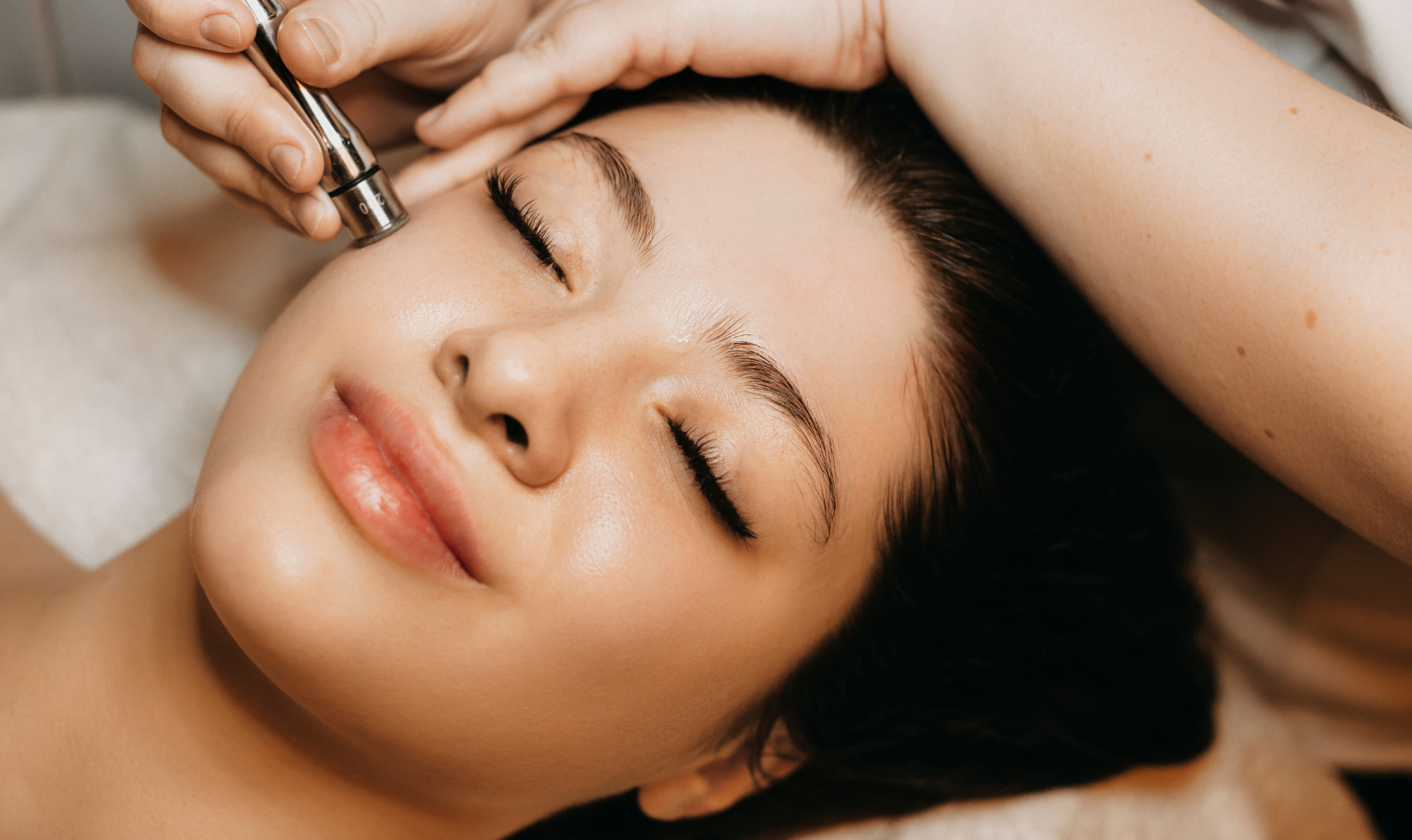
MICRODERMABRASION
This treatment can reveal a potentially brighter and smoother complexion, and it may reduce the appearance of fine lines, acne scars, age spots, and uneven skin tone.

Frequently Asked Questions
-
Microdermabrasion is generally not painful. During the treatment, you might feel a mild scratching or suction sensation, but it is usually comfortable and does not typically require anesthesia. Individual pain tolerance can vary, and any discomfort is generally mild.
-
Microdermabrasion usually involves minimal to no downtime. Some individuals might experience slight redness or sensitivity immediately after the procedure, but these effects typically resolve within a few hours to a day. It’s important to follow any post-treatment care instructions provided by your practitioner to ensure optimal results.
-
The duration of results from microdermabrasion can vary between individuals, but many people notice smoother and brighter skin after their first treatment. For best results, multiple sessions may be recommended, and maintaining these results often requires periodic treatments, such as monthly sessions, depending on your skin type and goals.
-
While microdermabrasion is generally considered safe, potential side effects may include temporary redness, dryness, increased sensitivity to sunlight, and, in rare cases, minor bruising or skin discoloration. These effects are usually mild and temporary. Using sunscreen and following aftercare instructions can help minimize these effects.
-
Before the procedure, your practitioner will review your medical history and discuss your skin concerns. You should arrive with clean, makeup-free skin. Post-treatment, your practitioner may apply a soothing cream, and it’s recommended to use sunscreen to protect the newly exposed skin from sun damage.
-
Microdermabrasion may be suitable for a variety of skin types but is not ideal for everyone, especially individuals with severe acne, eczema, or other specific skin conditions. A consultation with a qualified practitioner is essential to determine if this treatment aligns with your skincare goals and is appropriate for your skin type.
-
Microdermabrasion offers a non-surgical approach that may help rejuvenate your skin with minimal downtime. If you’re interested in enhancing your skin’s appearance, consider scheduling a consultation with a skilled practitioner to explore whether microdermabrasion could benefit your complexion. Individual results can vary, and a professional evaluation is necessary to set realistic expectations.
-
May Improve Skin Texture and Tone: Microdermabrasion can help reduce the appearance of fine lines, wrinkles, and age spots, potentially giving the skin a smoother look.
May Minimize Pores and Blackheads: The treatment may help unclog pores and reduce the appearance of blackheads, contributing to clearer skin.
Can Reduce Acne Scars: It may lessen the visibility of mild acne scars and other surface irregularities, though results vary.
Enhances Product Absorption: By removing dead skin cells, microdermabrasion may allow skincare products to penetrate more effectively.
Safe and Quick: The procedure is generally quick, non-invasive, and well-tolerated, with minimal side effects for most individuals.
Enhance your natural beauty and experience rejuvenation at Skyy Med Spa.
Contact (619) 380 2718 today to schedule your consultation and discover the transformative benefits of our personalized treatments.
Disclaimer: Microdermabrasion is a cosmetic procedure designed to exfoliate the skin and may help improve its appearance by addressing minor surface imperfections. Results and effectiveness can vary based on individual factors, including skin type, condition, and adherence to post-treatment care. Common side effects include temporary redness, tenderness, or mild irritation. Consult with a qualified healthcare provider to determine if microdermabrasion is appropriate for your skin type and to discuss any potential risks and benefits.
The information provided is intended for educational purposes and should not replace a consultation with a licensed medical professional. Always follow your practitioner’s guidance and promptly report any unusual symptoms or concerns following treatment.